What Tenants Need to Know About End of Tenancy Cleaning
Moving out of a rented property can be stressful, especially when your deposit depends on how clean the property is left. End of tenancy cleaning is one of the most common causes of disputes between tenants and landlords, yet many renters are unclear on what is actually expected of them.
This guide explains what tenants need to know about end-of-tenancy cleaning, including landlord expectations, common problem areas, and whether professional cleaning is worth considering. If you are renting, understanding these requirements can help you avoid deductions, reduce last-minute stress, and leave your tenancy on good terms.
What Is End of Tenancy Cleaning and Why Does It Matter?
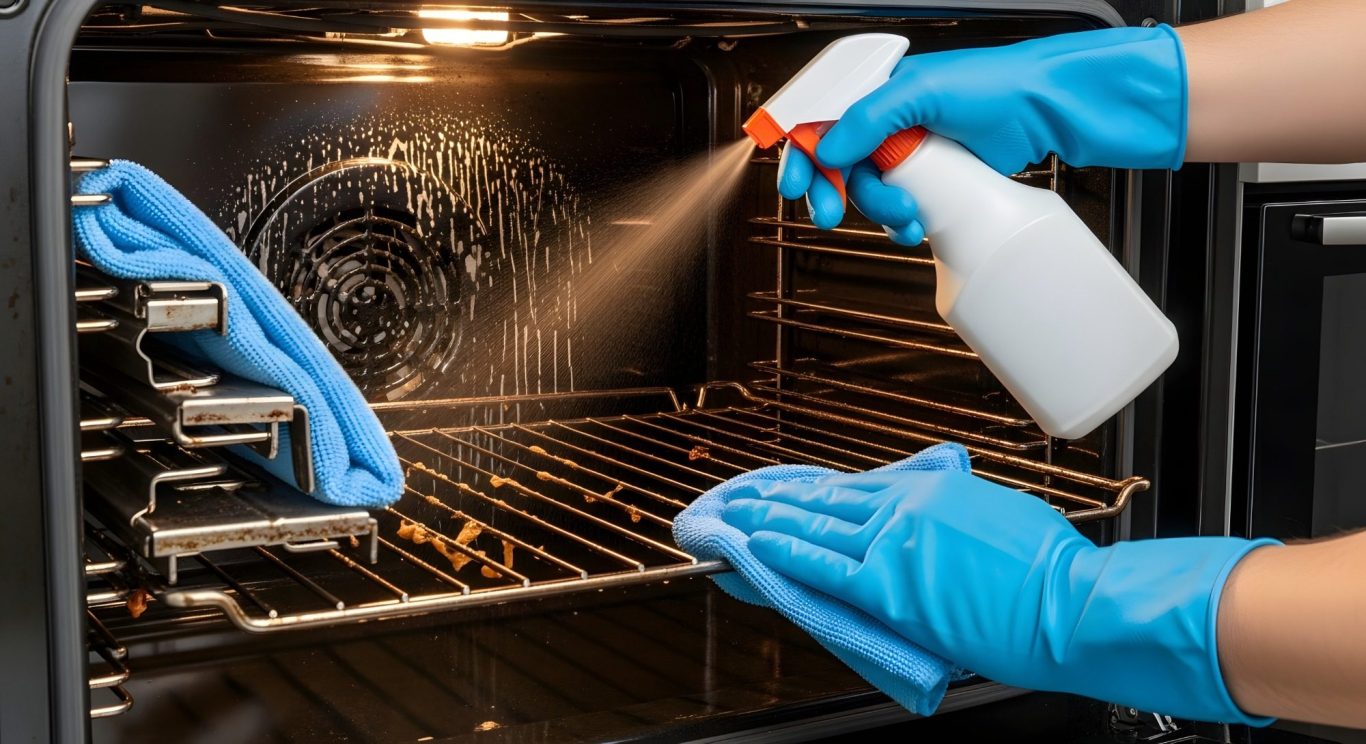
End of tenancy cleaning refers to the thorough cleaning of a rental property before the tenant moves out. Its purpose is to return the property to the condition it was in at the start of the tenancy, allowing for fair comparisons during the final inspection.
Landlords and letting agents usually assess cleanliness alongside the original inventory report. If areas are found to be dirtier than when you moved in, deductions from the deposit may follow.
This is why end-of-tenancy cleaning matters. It is not about making the property brand new, but about meeting reasonable cleanliness standards that reflect the original condition.
What Do Landlords and Letting Agents Expect?
Most landlords and agents expect a property to be left clean, hygienic, and ready for the next tenant. While exact requirements vary, there are consistent expectations across most rental agreements.
- Typically, landlords will look for:
- Kitchens free from grease, food residue, and limescale
- Bathrooms that are sanitised, including tiles and fittings
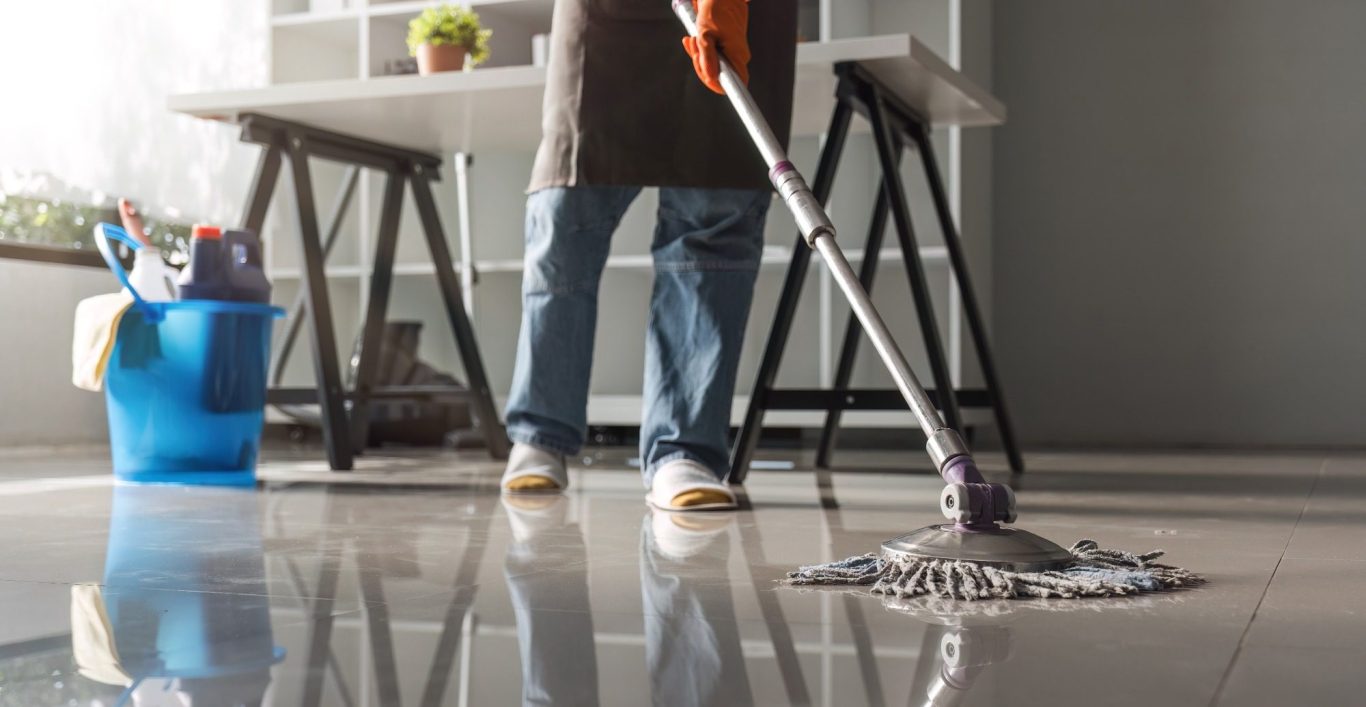
- Floors that are vacuumed or mopped
- Surfaces wiped and free from dust
- Rubbish removed from the property
In many cases, letting agents will use a checklist during inspections. Failing to meet these standards is one of the most common reasons for deposit deductions related to end-of-tenancy cleaning.
Common Areas That Cause Deposit Deductions
Certain areas are more likely to cause problems during inspections. Tenants often overlook these spaces due to time pressure or underestimating the level of cleaning required.
- The most common problem areas include:
- Ovens and kitchen appliances
- Shower screens and bathroom tiles
- Skirting boards and door frames
- Carpets with stains or heavy dirt
- Internal windows and sills
These areas often require more than a quick clean. For tenants in Loughborough, inspections usually focus heavily on kitchens and bathrooms, where hygiene standards are most visible.
Can Tenants Do End-of-Tenancy Cleaning Themselves?
Yes, tenants are allowed to clean the property themselves, provided the result meets the required standard. However, this is where issues often arise.
DIY end-of-tenancy cleaning can be time-consuming and physically demanding, especially when combined with packing and moving. Many tenants underestimate how long a full clean takes, particularly for larger properties.
You should realistically assess:
- The size of the property
- The condition it is currently in
- Whether you have suitable equipment and products
- How much time you have before the inspection
If cleaning is rushed or incomplete, the landlord may arrange professional cleaning and deduct the cost from your deposit.
Is Professional End of Tenancy Cleaning Worth It?
Hiring professionals is not mandatory, but it can reduce risk and stress. Professional end of tenancy cleaning services follow structured processes designed to meet inspection standards.
For tenants, professional cleaners are familiar with local landlord and agent expectations. This can be particularly helpful if:
- The property has not been professionally cleaned before
- You are short on time
- The tenancy involved pets or heavy use
- You want to minimise the risk of disputes
If you want to understand what a professional clean involves, our end-of-tenancy cleaning service explains how properties are cleaned to inspection-ready standards.
What Should Be Included in End-of-Tenancy Cleaning?
While requirements vary, most end-of-tenancy cleaning covers the same core areas. Knowing what should be included helps tenants check whether a cleaning is thorough enough.
A typical end of tenancy clean includes:
- Kitchen cleaning, including appliances, cupboards, and worktops
- Bathroom cleaning, including toilets, sinks, baths, and tiles
- Floor cleaning throughout the property
- Dusting of surfaces, skirting boards, and frames
- Internal window cleaning where accessible
For properties requiring deeper attention, tenants may also consider services similar to deep cleaning, especially if the property has not been cleaned thoroughly during the tenancy.
How Long Does End of Tenancy Cleaning Take?
The time required depends on the size and condition of the property. A small flat may take several hours, while a larger house can take a full day or longer.
Factors that affect cleaning time include:
- Number of rooms
- Level of dirt and build-up
- Presence of appliances
- Furnished or unfurnished status
Many tenants underestimate the time required, which is why cleaning is often rushed at the last minute.
When Should Tenants Arrange End-of-Tenancy Cleaning?
Timing is important. Ideally, end-of-tenancy cleaning should take place after the property is emptied but before the final inspection.
This allows cleaners to access all areas easily and ensures nothing is missed. Booking too early can result in dirt returning during the move-out process, while booking too late may leave no time to fix issues.
Planning ahead is one of the simplest ways to avoid deposit problems.
Should Tenants Clean Carpets at the End of a Tenancy?
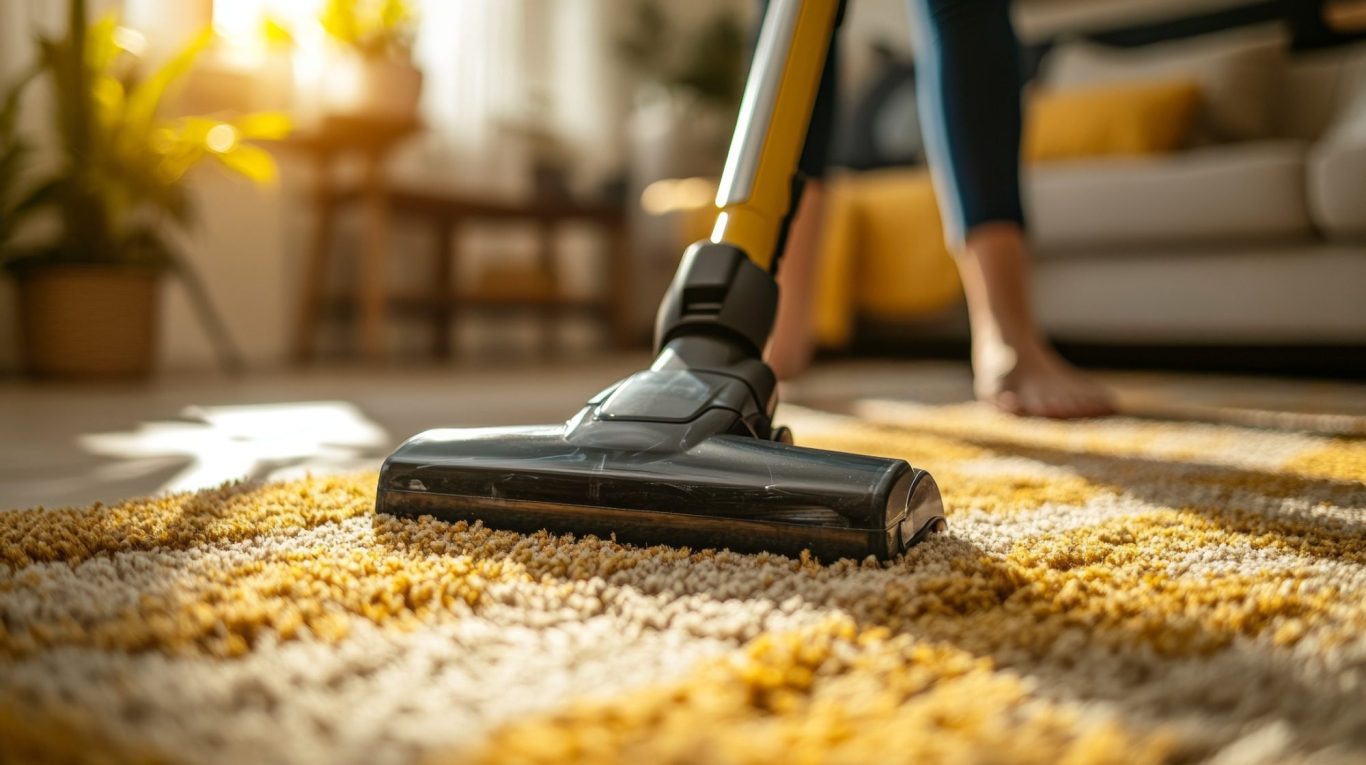
Carpet cleaning is often a point of confusion. Landlords cannot require professional carpet cleaning unless it was done professionally at the start of the tenancy.
However, carpets must still be left clean and in a similar condition to the original inventory. Stains, odours, or heavy dirt may justify deductions.
Tenants should check their inventory and tenancy agreement before deciding whether additional cleaning is needed.
End of Tenancy Cleaning for Furnished vs Unfurnished Properties
Furnished properties usually require more detailed end-of-tenancy cleaning. Items such as sofas, wardrobes, and dining furniture must be cleaned and dust-free.
Unfurnished properties may involve fewer items but still require thorough cleaning of fixtures, floors, and appliances.
In both cases, attention to detail plays a key role in meeting inspection standards.
When Professional Cleaning Makes Sense
Professional end-of-tenancy cleaning is particularly helpful when time is limited or standards are high. Many tenants in Loughborough choose professional support to avoid last-minute stress and uncertainty.
If you are managing a move and want a reliable solution, you can learn more about how our team approaches tenancy cleaning by visiting our end of tenancy cleaning page.
Need Help With End of Tenancy Cleaning in Loughborough?
If you are approaching the end of your tenancy and want peace of mind, professional support can make the process easier. AV Assistance provides reliable end-of-tenancy cleaning, delivered by an experienced local team.
Get in touch today to request a free quote and ensure your move-out clean meets inspection standards.
Call Us: 07565 356438
Email Us: info@avassistance.co.uk